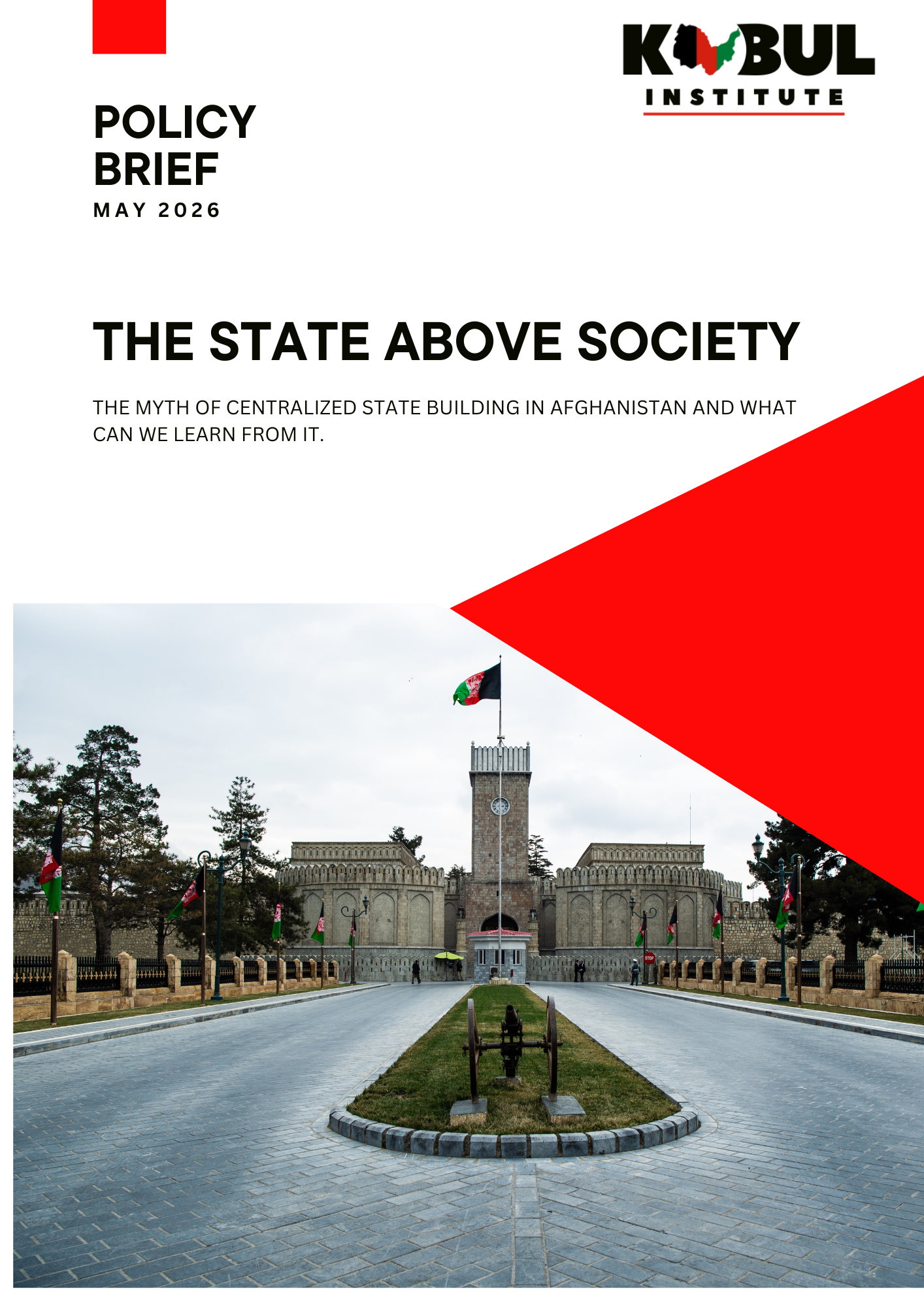
Afghanistan's diversity was never a problem to be overcome by a strong center. This paper makes the case for what a governing structure built around that reality would actually look like.
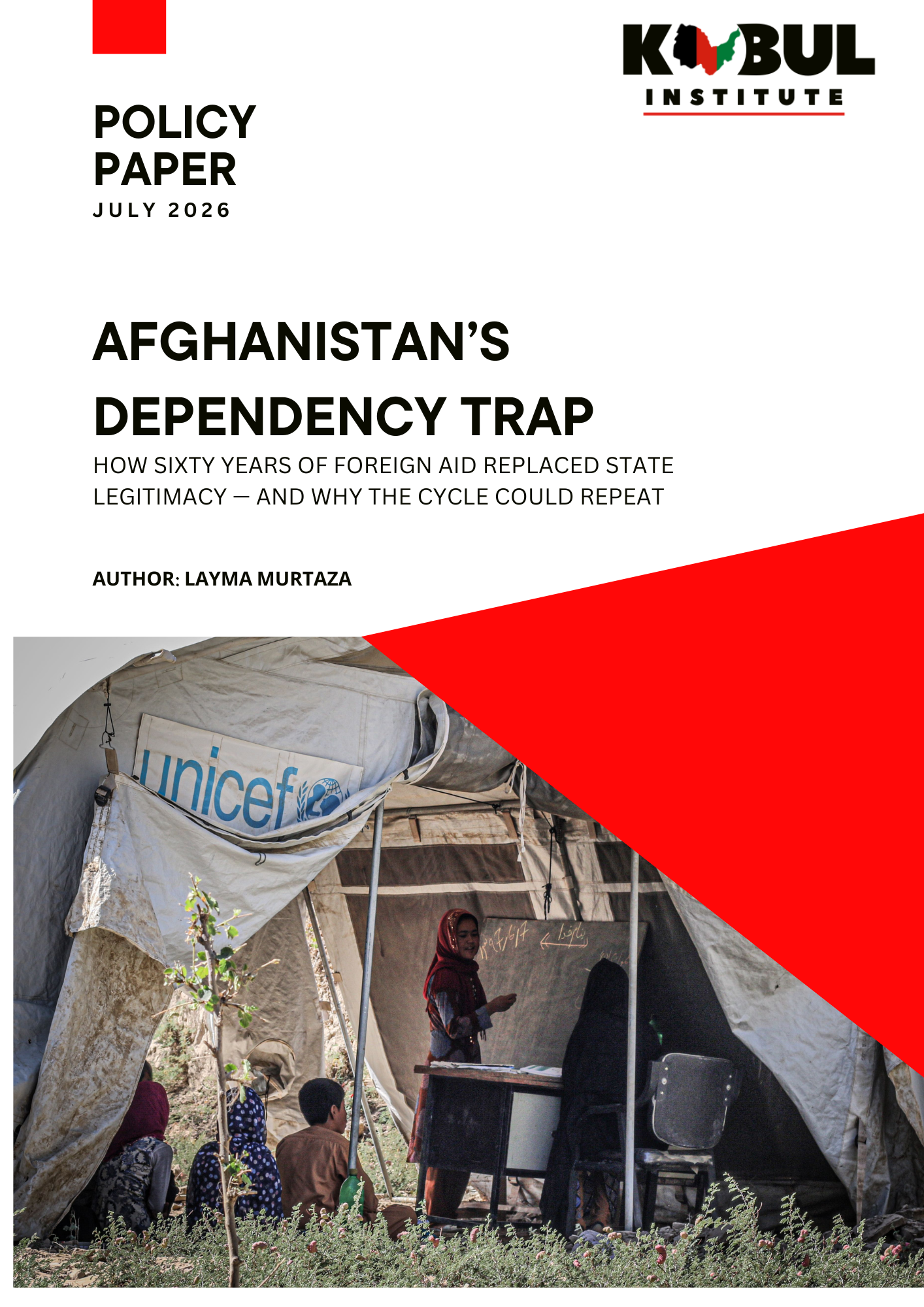
By replacing legitimate governance with foreign money, it handed extractive elites exactly the tools they needed and left ordinary Afghans with a state that served everyone but them. This paper is required reading before anyone writes another reconstruction check.

Outside design flaws, predatory Afghan politics, and assumptions untested against reality combined to guarantee failure. This paper makes sure the next attempt does not recycle the same architecture with a different name.
This paper documents the role external actors played in the collapse and sets the terms for what responsible engagement would have to look like going forward.
Every military gain in Afghanistan unraveled because force was never paired with governance. This paper explains the strategic logic behind that failure.
This paper cuts through reconstruction ambition to identify the four functions a state must perform before anything else is possible, and why getting that sequence wrong is how you end up with nothing.
This paper works out how to devolve authority to where governance is actually felt without pulling the country apart in the process.
This paper maps the practical legal architecture that can hold a fractured society together in the interim, drawing on what Afghans already use and trust rather than systems imported from elsewhere.
This paper lays out how to build a functional revenue and budgeting system from the ground up in a country where the previous one was built on foreign transfers that are now gone.
A state built on half its human capital is not a state being built at all. This paper makes the case that gender inclusion is not a program to add on — it is a condition for anything else to work.
Foreign interference in Afghan politics and security is not background noise. It is a central variable, and this paper treats it that way. No reconstruction plan that ignores it is worth the paper it is written on.
This paper documents how isolation measures meant to contain the Taliban are instead cutting off the financial oxygen that any Afghan recovery would require, and what has to change.
Every regional power with a stake in Afghan instability has used the country as a theater for its own objectives, and Afghans have paid the price. This paper explains how that dynamic drives internal fragmentation and what it would take to change it.
Counterterrorism priorities systematically displaced the institution-building that might have produced a lasting state. This paper shows exactly how that happened so it does not get repeated under a different security framework.
This paper examines the conditions under which Afghan neutrality could be made credible to regional powers and what it would take to hold it.
Get Notified When New Papers Are Published
The Kabul Institute publishes policy papers on a rolling basis across all three institutional pillars of the Afghanistan Recovery Blueprint. Subscribe to receive new papers directly in your inbox.
Subscribe on Substack →contact@kabulinstitute.org